
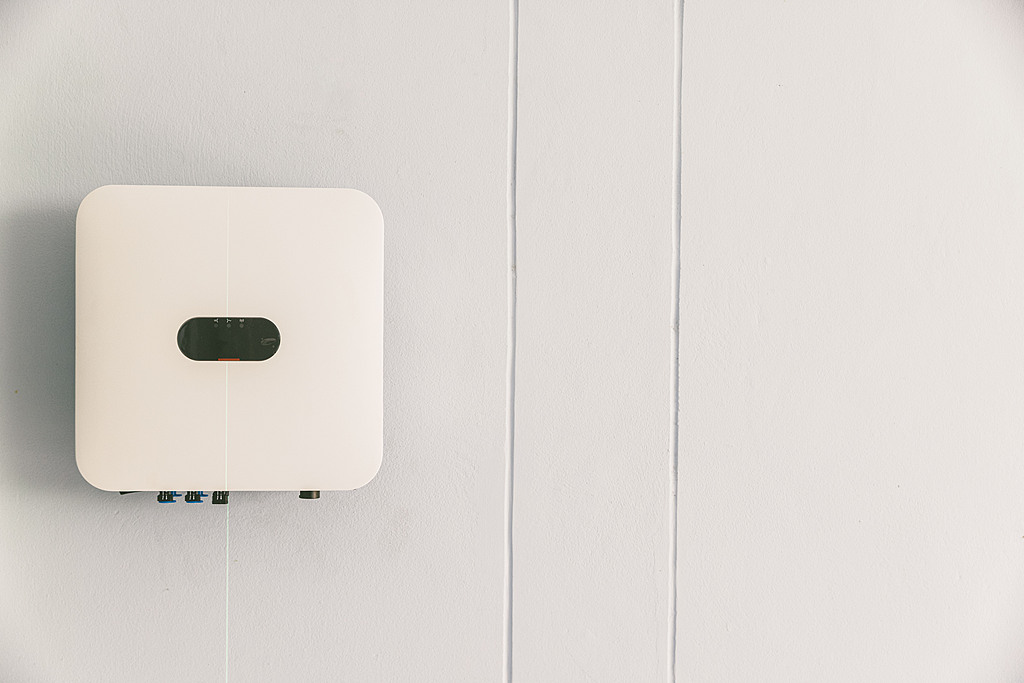
An off-grid solar inverter is one of the most critical components in an independent solar power system. Unlike grid-tied inverters that send electricity back to the utility grid, an off-grid inverter is designed to work without any connection to the power grid. It converts the DC electricity generated by solar panels and stored in batteries into AC electricity, which is used by household appliances and industrial equipment. To make the most of your investment in solar energy, understanding how to use an off-grid inverter correctly is essential. Using the device improperly may not only reduce efficiency but also shorten the lifespan of both the inverter and the battery bank.
When installing and operating an off-grid inverter, the first step is to ensure compatibility between the inverter, solar panels, and the battery bank. Each inverter has its rated input voltage and output power capacity. For example, a 24V inverter requires a 24V battery bank, and connecting mismatched equipment could cause malfunction or permanent damage. Therefore, checking the datasheets of both the inverter and the energy storage system is crucial before wiring. Another important aspect is the inverter’s rated power output. Appliances with high starting currents, such as refrigerators, pumps, or air conditioners, require inverters that can provide a surge capacity at least two to three times the normal running load. Choosing the wrong inverter size often leads to frequent tripping or system overload.
Proper wiring and grounding are also vital for safe operation. Off-grid inverters should be connected with cables of appropriate thickness to minimize power loss and overheating. Undersized cables can create resistance and heat, which not only wastes energy but may also become a fire hazard. Grounding the system correctly prevents electric shocks and ensures stable operation under fluctuating weather conditions. It is recommended to follow the manufacturer’s wiring diagram strictly or hire a qualified installer to avoid mistakes. Incorrect wiring is one of the most common causes of inverter failure in off-grid systems.
Battery management is another critical factor when using off-grid inverters. Since the inverter draws energy from the battery bank, maintaining battery health ensures reliable performance. Lead-acid batteries, for example, should not be discharged below 50% of their capacity regularly, while lithium-ion batteries can tolerate deeper discharges but still require proper charge controllers. Many modern off-grid inverters come with built-in battery protection features such as low-voltage disconnect, overcharge protection, and temperature sensors. Users must set the correct charging parameters according to the battery type to avoid overcharging or deep discharging, which significantly shortens battery life.
Regular maintenance is also necessary for long-term reliable operation. Dust, high humidity, and extreme temperatures are all potential threats to an inverter’s performance. The device should be installed in a well-ventilated, cool, and dry location. Cleaning dust filters and checking for loose connections periodically can prevent small issues from turning into costly failures. Monitoring software or mobile apps provided by inverter manufacturers are useful tools to keep track of performance, identify irregularities, and schedule timely maintenance.
For users living in areas with unstable weather or heavy loads, adding redundancy to the system is advisable. Using a hybrid inverter or including a backup generator ensures electricity supply during long periods of low solar radiation. Some advanced off-grid inverters also support modular expansion, allowing users to connect multiple units in parallel for higher power requirements. Planning the system with future scalability in mind prevents the need for complete replacement when energy demand grows.
An off-grid solar inverter is one of the core devices of a stand-alone photovoltaic system, which serves to convert the DC power stored in solar panels and batteries into AC power for use in homes or commercial and industrial loads. Proper use of the inverter not only improves the efficiency of the system, but also effectively extends the life of the equipment.