
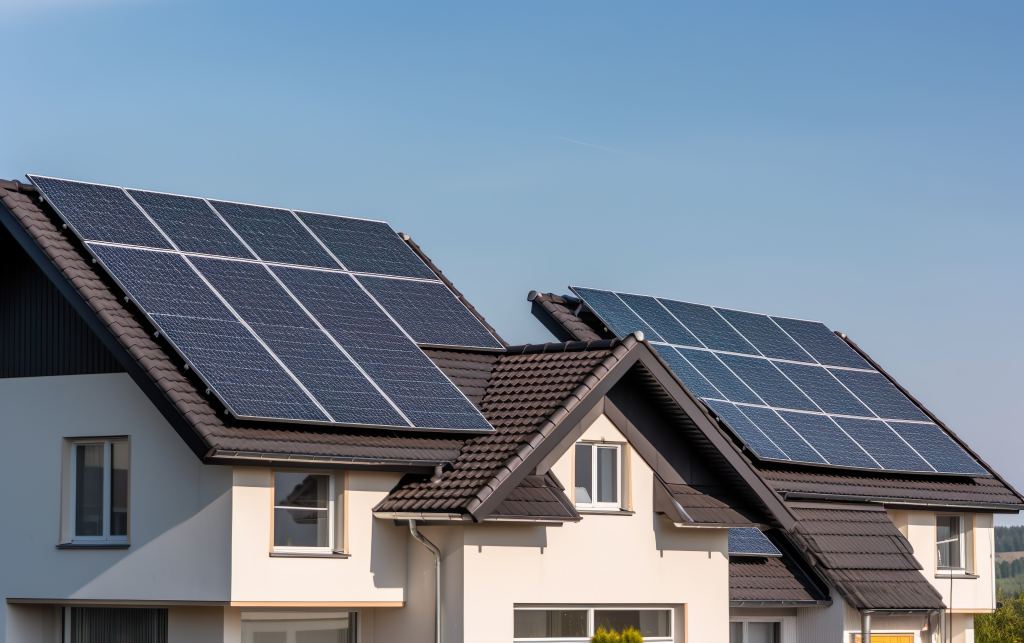
When building a photovoltaic (PV) energy storage system, the choice of battery is one of the most critical factors that determine how well the system will perform in the long term. Solar panels generate electricity during the day, but without a proper battery, much of this energy could go to waste. The battery is the core component that allows you to store excess solar power and use it at night or during cloudy days. However, not all batteries are the same, and choosing the wrong one could lead to higher costs, poor efficiency, and shorter system life.
Battery Types: Lead-Acid vs. Lithium
The two most common types of batteries for PV storage are lead-acid and lithium-ion. Lead-acid batteries, including AGM and Gel, have been used for decades. They are affordable, reliable, and widely available, which makes them attractive for small-scale or budget-limited projects. However, they are bulky, heavy, and typically allow only about 50% of their capacity to be used, meaning you need a larger battery bank to achieve the same usable energy. Their cycle life is also relatively short, usually 500–1,000 cycles.
Lithium-ion batteries, especially LiFePO₄, have become increasingly popular for solar storage in recent years. They offer higher energy density, allowing more power to be stored in a smaller footprint, and a depth of discharge of 80–90%, which means you can use most of the stored energy without damaging the battery. More importantly, they last much longer, with lifespans exceeding 3,000–6,000 cycles. Although the upfront cost is higher, their long-term value is better because they deliver more usable energy over their lifetime.
Sizing and Capacity Planning
To select the right battery size, you need to analyze your daily energy consumption. For example, if your household consumes 10 kWh per day and you want two days of backup, you will need at least 20 kWh of usable storage, plus a 20–30% safety margin. For lead-acid batteries with only 50% usable capacity, this would mean installing around 40–50 kWh of nominal storage, while with lithium batteries, you would need only 25–30 kWh.
Voltage compatibility is also important. Residential systems often use 12V, 24V, or 48V setups, while larger commercial projects may require higher voltages such as 96V or above. Always ensure the battery matches your inverter and charge controller specifications to avoid inefficiency or equipment damage.
Performance Factors: DoD, Cycle Life, and Efficiency
Depth of Discharge (DoD) reflects how much energy can be safely drawn from the battery. A higher DoD means more usable energy. This is why lithium batteries outperform lead-acid in practical usage. Cycle life also plays a big role. Even if a lead-acid battery is cheaper, it may need to be replaced two or three times during the same period that a single lithium battery lasts.
Efficiency, measured as round-trip efficiency, tells you how much of the charged energy can actually be used. Lithium batteries typically achieve 90–95% efficiency, while lead-acid hovers around 75–85%. That difference directly affects how much solar power is effectively available for your home or business.
Environmental Conditions and Scalability
The environment where the battery operates also affects performance. Lead-acid batteries are sensitive to extreme temperatures and tend to lose capacity in hot or cold climates. LiFePO₄ batteries, by contrast, remain more stable across a wide temperature range. For projects with future expansion in mind, lithium systems are more flexible because they can be easily scaled by adding modular battery packs. Many modern lithium batteries also come with built-in Battery Management Systems (BMS), which monitor performance, ensure safety, and prolong battery life.
Conclusion: Which Battery is Right for You?
Ultimately, the right battery depends on your budget, energy needs, and project goals. Lead-acid remains a cost-effective solution for smaller systems or applications where upfront investment is limited and occasional use is acceptable. However, for homeowners, businesses, and off-grid users seeking long lifespan, higher efficiency, and reliability, lithium batteries—especially LiFePO₄—are the superior choice. Although they require higher initial investment, they deliver better long-term value, more usable energy, and lower maintenance costs, making them the most future-proof option for PV energy storage today.