
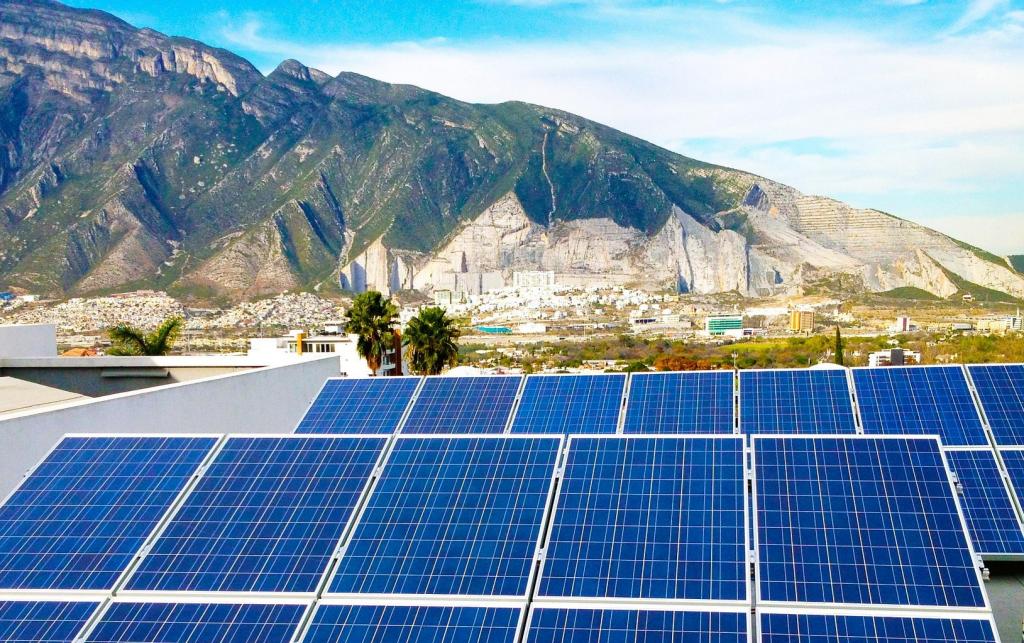
In many parts of Africa, unstable electricity supply, frequent blackouts, and high utility costs continue to affect homes and businesses. In remote regions, grid access may not exist at all. Off-grid solar systems offer an independent and practical solution by combining solar generation with battery storage, allowing users to produce and use their own electricity without relying on the public grid.
What is an Off-Grid Solar System?
An off-grid solar system is a standalone power solution that operates independently from the utility network. Solar panels generate electricity during the day while batteries store excess energy for nighttime or cloudy conditions. A complete system typically includes solar panels, an inverter, battery storage, an MPPT charge controller, and installation accessories, forming a self-sufficient energy source for residential and commercial use.
Why Off-Grid Solar Is Ideal for Africa?
Africa benefits from strong and consistent sunlight, often receiving 5–6 peak sun hours per day. This allows higher energy output and faster battery charging compared to many other regions. Off-grid systems eliminate fuel costs, reduce dependence on unreliable grids, and provide clean, quiet, and maintenance-friendly electricity. They can also be installed anywhere, making them ideal for villages, farms, telecom sites, and construction areas.
Core Component 1: Solar Panels
Solar panels convert sunlight into DC power and determine the total energy production of the system. High-efficiency mono or half-cut panels are generally recommended because they perform better under high temperatures and reduce space requirements. Choosing quality panels improves overall system reliability and long-term return on investment.
Core Component 2: Solar Inverter
The inverter is the heart of the off-grid system. It converts DC power from the batteries into AC power for household and commercial appliances. A good inverter should provide pure sine wave output, built-in MPPT charging, overload protection, and real-time monitoring. High-frequency models are compact and efficient, while low-frequency transformer-based units handle heavy loads and surge currents more effectively.
Core Component 3: Battery Storage
Battery storage determines how long electricity is available after sunset. Lead-acid batteries offer lower upfront costs but require maintenance and have shorter lifespans. LiFePO4 lithium batteries provide longer cycle life, higher efficiency, lighter weight, and maintenance-free operation. Although more expensive initially, lithium batteries significantly reduce the total cost of ownership and are now the preferred option for most modern installations.
Step 1: Calculate Daily Energy Consumption
Proper sizing begins with understanding daily power usage. List all appliances and multiply their wattage by operating hours to calculate total energy consumption in kilowatt-hours. This provides the foundation for selecting the correct battery and panel capacity and prevents underpowered or oversized systems.
Step 2: Choose the Right Battery, Inverter and Size the Solar Panels
Battery capacity should cover at least one to two days of electricity demand to ensure backup during cloudy weather. For example, a household using 4–5 kWh per day typically requires an 8–10 kWh battery bank. Adequate storage ensures stable power supply and improves system reliability.
Solar panels must generate enough energy to recharge the batteries during available sunlight hours. In regions with five effective sun hours, dividing daily consumption by sunlight hours provides the minimum panel size. Adding a safety margin of 20–30% ensures consistent charging even during less favorable weather.
The inverter should match both continuous and peak loads. Users must consider surge power from appliances such as refrigerators, pumps, or compressors. Choosing an inverter with higher capacity than the expected peak load prevents shutdowns and ensures smooth operation.
Contact Us for Customized Solutions
We specialize in manufacturing off-grid solar inverters, LiFePO4 battery storage systems, and integrated inverter-battery solutions for distributors and project buyers. Contact us today to get a customized off-grid solar solution for your market.