

As global demand for clean energy continues to rise and carbon neutrality becomes a worldwide goal, photovoltaic(PV) systems are gaining popularity among households, businesses, and governments. Whether for grid-connected electricity generations or off-grid applications, understanding the structure of a solar power system is key to building a reliable and efficient energy solution.
Types of Photovoltaic Systems
Before diving into the components, it’s essential to understand the three common PV system configuration:
1. Grid-Tied PV System
① Connected to the utility grid
② Solar power is prioritized for self-consumption; excess power is fed into the grid
③ No energy storage needed; grid serves as backup at night
2. Off-Grid PV System
① Operates independently of the utility grid
② Requires batteries to store solar energy for nighttime or cloudy days
③ Common in remote or rural areas without grid access
3. Hybrid PV System
① Combines grid connection with energy storage
② Allows for self-consumption, energy storage, and grid interaction
③ Ideal for areas with unstable grid or emergency power needs
Main Components of a Solar Power System
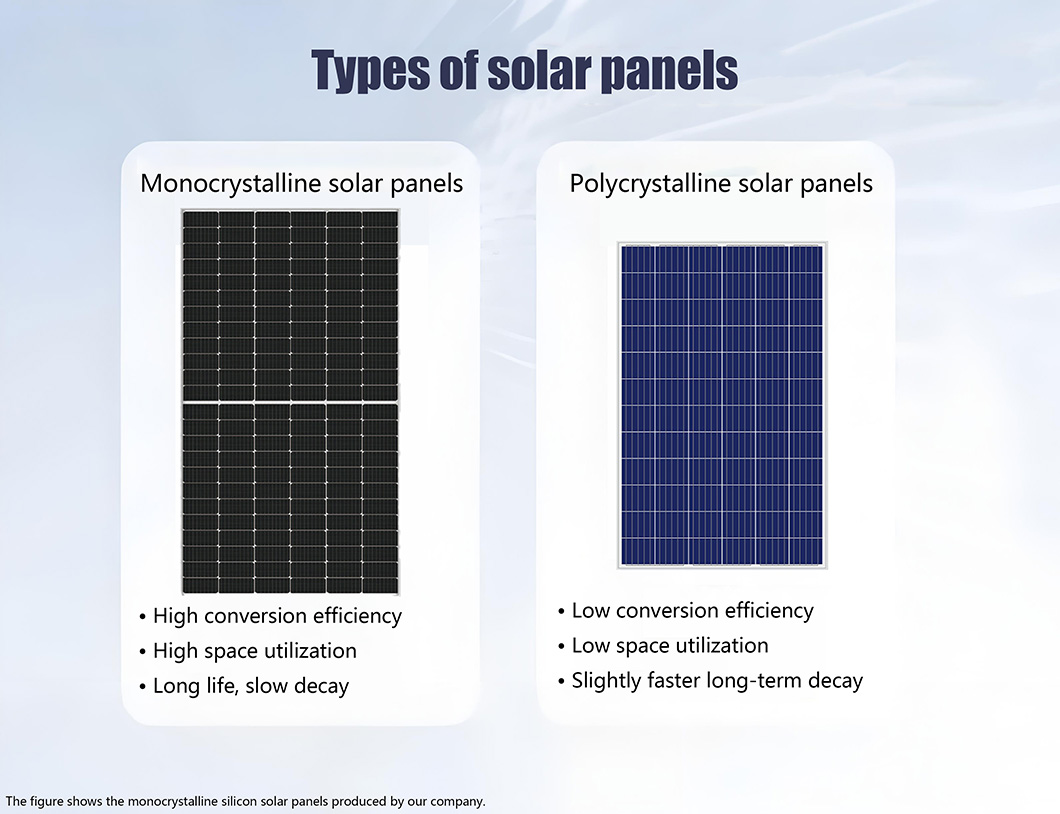
1.Solar Panel (Photovoltaic Modules)
Solar panels are the heart of a PV system, responsible for converting sunlight into direct current (DC) electricity through the photovoltaic effect. Most panels are made of monocrystalline or polycrystalline silicon cells.
① Power range: 300w-600w per panel
② Efficiency: 15%-22% depending on the panel type
③ Installation: Rooftop, ground-mounted, or integrated (BIPV)
When selecting panels, key factors include efficiency, warranty, temperature coefficient, and certified performance under varying light conditions.
2. Mounting Structure
The mounting system supports and secures the solar panels at an optimal angle for maximum sunlight exposure. Common materials include aluminum alloy and hot-dip galvanized steel for durability.
① Fixed-tilt mounts: Cost-effective and simple
② Adjustable tilt: Allows seasonal angle changes
③ Tracking systems: Follow the sun for increased output (more complex and costly)
Proper mounting improves efficiency and ensures long-term safety under wind and snow loads.
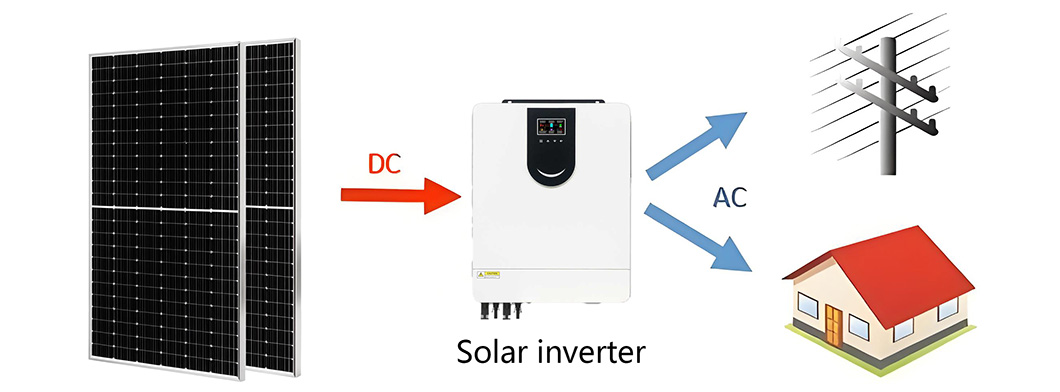
3. Inverte
The inverter converts DC electricity from solar panels into alternating current (AC), which powers appliances and connects to the grid. It also manages voltages, synchronization, and safety.
Main types:
① Grid-tied inverter: Feeds electricity into the utility grid
② Off-grid inverter: Works with battery banks to supply power independently
③ Hybrid inverter: Supports both grid interaction and battery backup
Modern inverter often include built-in data logging and Wi-Fi connectivity for remote monitoring.
4. Solar Change Controller
A charge controller regulates the charging and discharging of batteries in off-grid and hybrid systems. It prevents overcharging, deep discharging, and protects the battery lifespan.
Controller types:
|
Type |
Full Name |
Features |
|
PWM |
Pulse Width Modulation |
Affordable, basic regulation |
|
MPPT |
Maximum Power Point Tracking |
Higher efficiency, ideal for large system |
MPPT controller optimize power conversion even under low-light or partial shading conditions, increasing charging efficiency by 10-30%.
5. Energy Storage Batteries
Batteries store excess solar energy for use at night or during power outages. Choosing the right battery affects the system’s reliability, lifespan, and cost-efficiency.
Common battery types:
① Lead-acid batteries (AGM/GEL types): Proven technology, cost-effective
② Lithium-ion batteries: Long cycle life, lightweight, higher cost
We recommend our 12V 36Ah maintenance-free lead-acid battery, ideal for small-scale solar systems, solar street lights, backup power, and off-grid applications. It offers stable discharge, easy installation, and minimal maintenance.
Build a Reliable Solar Energy System with the Right Components
A photovoltaic system is more than just a collection of solar panels—it's an integrated solution where every component matters. From generation to storage to monitoring, each part plays a critical role in ensuring stable, long-lasting performance.
As a professional manufacturer and solution provider in the lead-acid battery and solar energy industry, we are committed to offering high-quality products and tailored energy solutions.
Whether you need a home solar setup or a custom off-grid system, we are here to support you every step of the way.
Contact us today for product recommendations, technical support, or a customized quotation.
Follow our blog to learn more about solar technology and industry insights!